
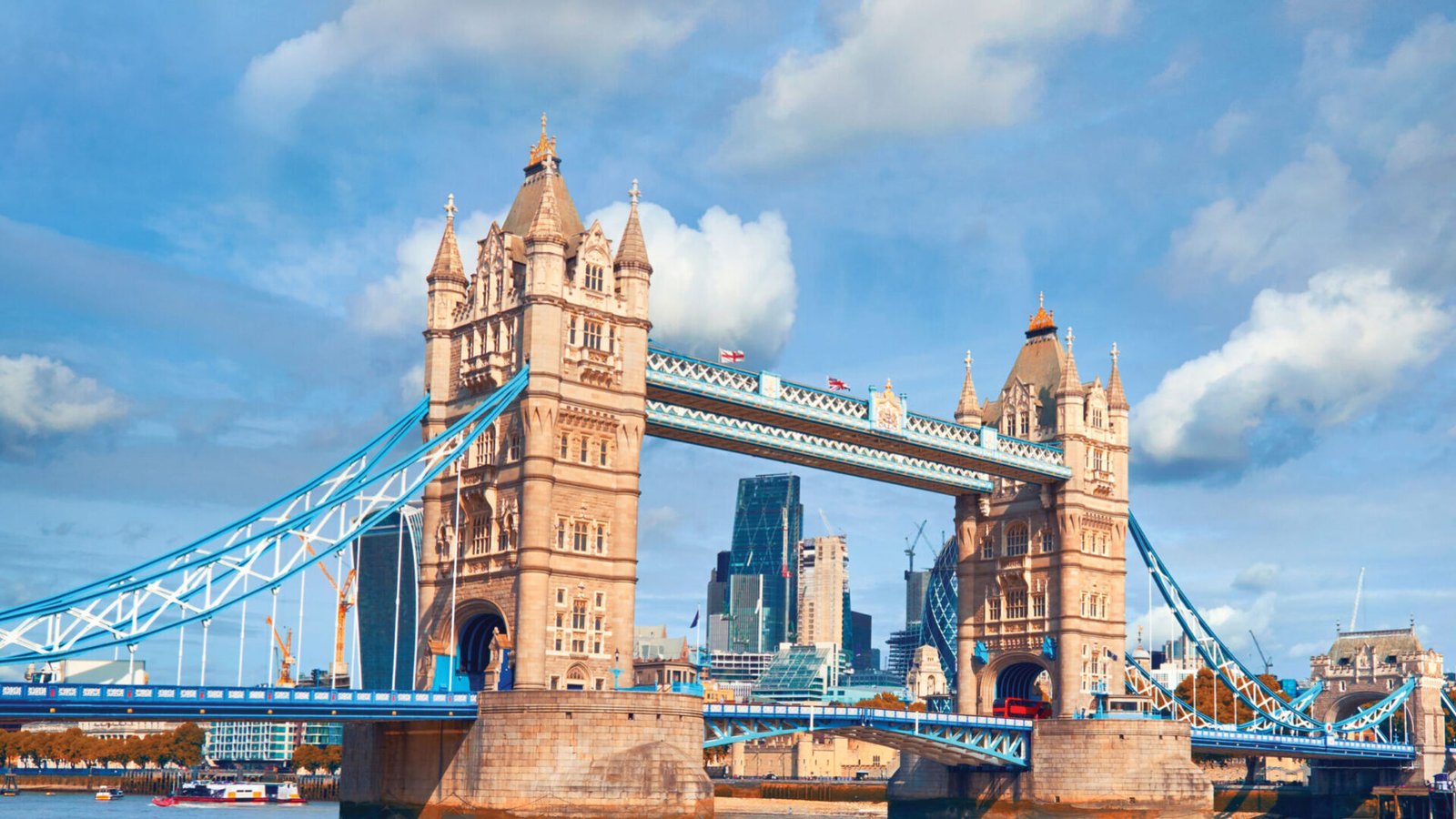

Minor Students in Ireland

Minor Students in Ireland
Ireland has become a highly sought-after destination for international students of all ages, including minors. Minor students, typically defined as children under the age of 18, come to Ireland to pursue primary or secondary education, language programs, or attend international schools. Ireland’s education system is highly respected, combining academic rigor with strong pastoral care and a safe environment for students.
This article explores the experience of minor students in Ireland, covering legal requirements, guardianship, education systems, accommodation, support services, challenges, and opportunities for personal and academic growth.
Why Ireland Attracts Minor Students
Ireland’s reputation as a welcoming and safe country, combined with its high-quality education system, makes it attractive for families seeking education abroad for their children. Some of the main reasons families choose Ireland include:
-
High-Quality Education
Ireland offers a modern and internationally recognized education system. Schools emphasize academic excellence, creativity, critical thinking, and holistic development. -
English-Language Environment
As an English-speaking country, Ireland provides minor students the opportunity to improve language skills, which enhances academic success and future career prospects. -
Safe and Welcoming Environment
Ireland is known for its friendly communities and low crime rates, making it a safe environment for minors living away from home. -
Cultural and Recreational Opportunities
Students can participate in sports, music, arts, and community activities, helping them develop social skills and integrate into local culture. -
Pathways to Higher Education
Studying in Ireland opens doors to prestigious universities and colleges within Ireland and across Europe, providing long-term academic advantages.
Legal Requirements for Minor Students in Ireland
International minors studying in Ireland must comply with both immigration and educational regulations. These requirements ensure the safety and well-being of students and include visas, study permits, and guardianship arrangements.
1. Study Permits and Visas
Minor students from countries outside the European Economic Area (EEA) typically require a student visa or study permit to attend school in Ireland. Key requirements include:
-
Enrollment in a recognized primary or secondary school or international school.
-
Proof of financial support for tuition, accommodation, and living expenses.
-
Consent from parents or legal guardians.
The type of visa depends on the student’s age, course duration, and study program.
2. Guardianship Requirements
For minor students, Irish law generally requires the appointment of a legal guardian residing in Ireland. The guardian is responsible for the student’s welfare, including:
-
Ensuring the student’s accommodation is safe and appropriate.
-
Supervising daily life and providing guidance.
-
Acting as the primary contact for the school and authorities.
-
Making emergency and medical decisions when parents are unavailable.
The guardian must usually be over 21, an Irish citizen or legal resident, and have a clean criminal record.
3. Accommodation Requirements
Minor students may live in several types of accommodation:
-
Homestays – Students live with an Irish family, providing a family environment, cultural immersion, and supervision.
-
Boarding Schools – Schools offer on-campus housing with trained staff to monitor students’ welfare.
-
Private Accommodation with Guardianship – Students may live independently or in shared accommodation under the supervision of a legal guardian.
Schools and immigration authorities often require approval of the living arrangements to ensure safety and suitability.
4. Health Insurance
All minor students must have adequate health coverage in Ireland. Insurance can be provided through:
-
Parents’ international health insurance plans.
-
Private Irish health insurance providers.
-
School-sponsored health insurance programs.
Health insurance ensures access to medical care and protects students against unforeseen health issues.

Education System for Minor Students
Ireland offers a structured and supportive education system for minor students, ranging from primary to secondary levels.
Primary Education
Primary education in Ireland generally covers ages 4–12. Key features include:
-
Literacy and numeracy development.
-
Social and emotional learning.
-
Creative arts, music, and physical education.
-
Introduction to science, history, and geography.
International students may receive additional support if English is not their first language. Many schools provide tailored programs to help students integrate successfully.
Secondary Education
Secondary education typically begins at age 12 and continues until 18. Students may attend:
-
State-funded secondary schools – Following the national curriculum with the Junior Certificate (lower secondary) and Leaving Certificate (upper secondary).
-
Private or international schools – Offering curricula such as International Baccalaureate (IB) or British GCSE/A-Level programs.
Secondary education focuses on academic excellence, skill development, and preparation for higher education or professional careers.
Language Programs
Many minor students attend Ireland to improve English. Language programs include:
-
Intensive English courses for beginners or intermediate learners.
-
Integrated English support within regular academic classes.
-
Summer and holiday programs for language development.
Language support helps students participate fully in academic and social activities.
Support Services for Minor Students
Schools in Ireland provide extensive support to ensure minor students thrive academically and socially.
Academic Support
-
English as an Additional Language (EAL) programs.
-
Tutoring and homework assistance.
-
Guidance counselors to advise on academic progress and subject choices.
Social and Emotional Support
-
School counselors for emotional and personal guidance.
-
Mentoring programs for cultural adaptation and peer support.
-
Anti-bullying policies and conflict resolution strategies.
Extracurricular Activities
-
Sports teams and physical education.
-
Arts, drama, and music clubs.
-
Debate, coding, and community service programs.
Participation in extracurricular activities promotes confidence, teamwork, and cultural integration.
Orientation and Integration
Orientation programs help new students adapt by:
-
Introducing the school environment and staff.
-
Providing cultural and social guidance.
-
Explaining safety, transportation, and emergency procedures.

Role of Guardians and Parents
Guardians play a crucial role in supporting minor students in Ireland. Responsibilities include:
-
Ensuring safety, welfare, and accommodation standards.
-
Acting as the primary liaison with the school.
-
Approving medical treatment and emergency decisions.
-
Monitoring academic progress and social development.
-
Advising students on Irish cultural and social norms.
Parents should maintain regular communication with the guardian and school to stay informed about their child’s progress and well-being.
Accommodation Options
Minor students in Ireland may choose between homestay programs, boarding schools, or private accommodation.
Homestays
Homestays provide a family environment, cultural immersion, and supervision. Benefits include:
-
Daily support and guidance from host families.
-
Opportunities to practice English in a natural setting.
-
Exposure to Irish traditions and lifestyle.
Host families are usually vetted and approved by the school or homestay agencies.
Boarding Schools
Boarding schools offer structured residential life with staff supervision. Benefits include:
-
On-campus accommodation with 24/7 care.
-
Academic support and enrichment programs.
-
Recreational and extracurricular activities integrated into daily routines.
Boarding programs develop independence, responsibility, and social skills while maintaining safety.
Private Accommodation with Guardianship
In some cases, minor students may live independently or with roommates under the supervision of a legal guardian. This option is less common but may suit older minors who demonstrate maturity and responsibility.
Challenges Faced by Minor Students
While Ireland is safe and welcoming, minor students may face challenges such as:
-
Homesickness and separation from family.
-
Language barriers and cultural adjustment.
-
Academic pressure in a competitive environment.
-
Navigating immigration requirements and legal regulations.
Schools, guardians, and families must work together to address these challenges and provide consistent support.
Health and Safety
Health and safety are critical considerations for minor students in Ireland. Responsibilities include:
-
Ensuring medical coverage and access to healthcare.
-
Maintaining safe and suitable accommodation.
-
Educating students about safety, transport, and personal health.
-
Implementing emergency preparedness plans in schools and residences.
Benefits of Studying in Ireland for Minor Students
Studying in Ireland provides multiple benefits for minor students, including:
-
High-Quality Education: Access to internationally recognized curricula and academic standards.
-
Cultural Immersion: Opportunities to learn about Irish history, language, and customs.
-
English Proficiency: Improved communication skills through immersion.
-
Social Development: Interaction with peers from diverse backgrounds.
-
Personal Growth: Development of independence, resilience, and leadership skills.
-
Higher Education Pathways: Opportunities to transition to top Irish and European universities.
These benefits equip students for academic and personal success, while preparing them for future educational and career opportunities.
Conclusion
Ireland offers a safe, high-quality, and culturally enriching environment for minor students. Legal guardianship, school support, and accommodation arrangements are essential to ensure the welfare and success of young learners.
Families must understand immigration requirements, guardianship responsibilities, and school policies to provide a stable and supportive environment. Schools provide comprehensive academic, social, and emotional support, while guardians and host families ensure safety and guidance.
With careful planning, minor students in Ireland can thrive academically, socially, and personally. Ireland’s education system, supportive environment, and international community make it an ideal destination for children seeking a meaningful and transformative learning experience.
In case, if you need help with Homestay and Guardianship for Minor Students in Ireland, please fill in application below or contact us directly.