
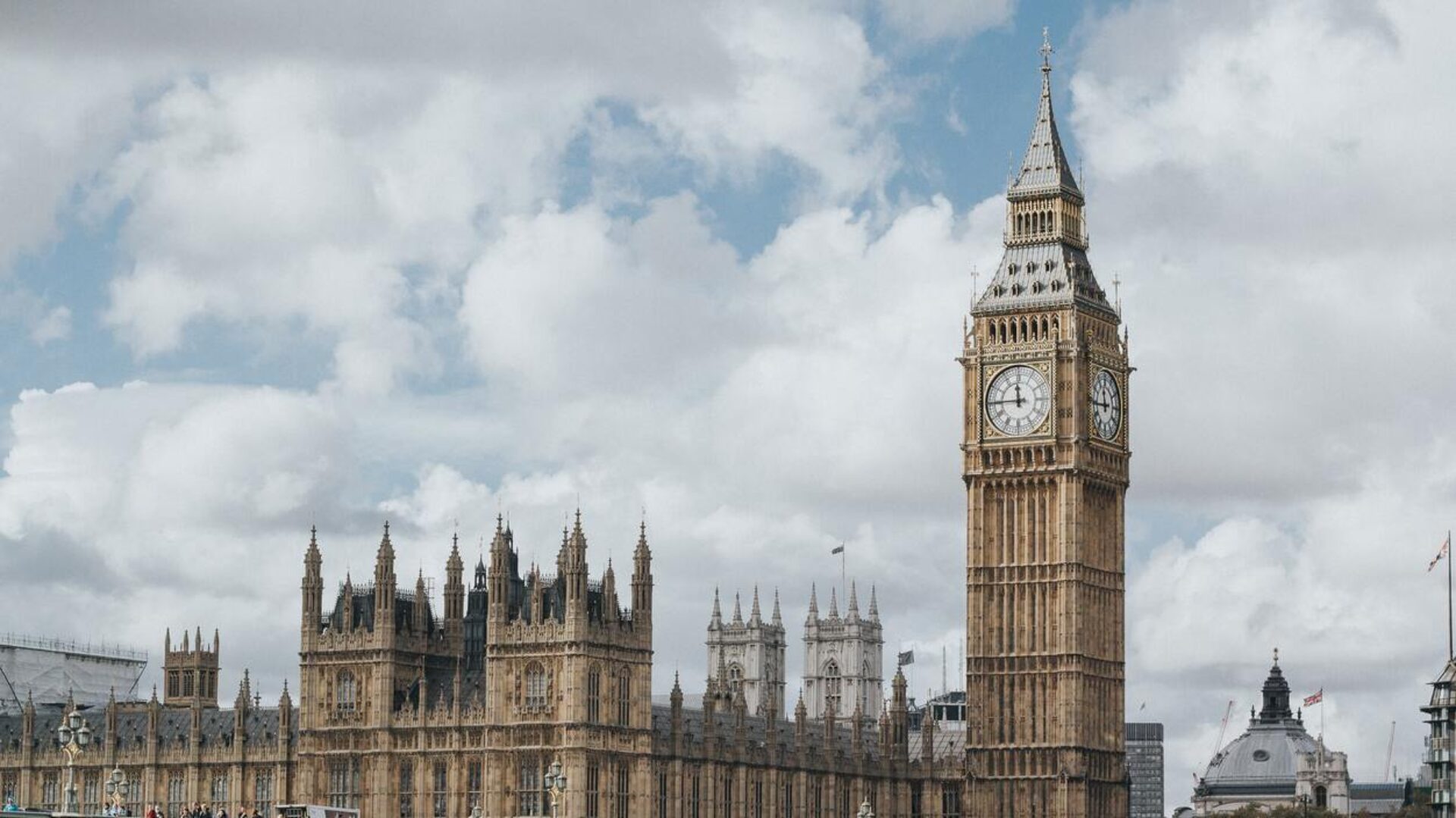

Guardianship for Minor Students in Dublin

Guardianship for Minor Students in Dublin: A Complete Guide for International Families
Introduction
Dublin, Ireland’s capital and largest city, is a global hub for education, culture, and opportunity. Each year, thousands of international students arrive to study in Dublin’s prestigious schools, private academies, and language institutions. Among these students are many minors—young individuals under the age of 18—who come to Ireland alone to pursue high-quality secondary education or English language immersion programs.
For parents sending their child to Dublin, one of the most crucial elements of planning is arranging guardianship. Guardianship ensures that a responsible adult, legally residing in Ireland, is available to care for the student’s welfare, represent the family, and act in emergencies. While Dublin offers excellent academic institutions and a safe, welcoming environment, guardianship is a legal, emotional, and logistical necessity that underpins the student’s success abroad.
This in-depth guide covers everything families need to know about guardianship for minor students in Dublin—from legal requirements and role expectations to how to select the right guardian for your child.
What is Guardianship for Minor Students in Dublin?
Guardianship is a legal and practical arrangement where a responsible adult—other than the student’s parent—is appointed to care for a minor student (under 18) studying abroad. In the Irish context, guardianship does not imply full custody or adoption. Instead, it refers to the temporary and limited authority to act on the parent’s behalf in daily matters related to the student’s care, health, education, and safety.
For international students in Dublin, a guardian becomes the point of contact for schools, medical professionals, and authorities, and serves as a local stand-in when parents are overseas.
Why is Guardianship Required in Dublin?
Although Irish immigration laws don’t have a single centralized guardianship requirement, several factors make guardianship essential in Dublin:
1. School Policies: Guardianship for Minor Students in Dublin
Almost all secondary schools and private institutions in Dublin require that any student under 18 who is not living with a parent or close family member have a guardian in place. This is especially true for:
-
Public and private day schools
-
Boarding schools
-
Language academies offering long-term English programs
2. Immigration and Visa Requirements
While the Irish Naturalisation and Immigration Service (INIS) does not officially mandate guardianship in every visa application, minors applying for a student visa may be required to demonstrate they have proper living arrangements and adult supervision. A formal guardianship letter strengthens the visa case and can prevent delays or denials.
3. Child Protection Laws: Guardianship for Minor Students in Dublin
Ireland has strong child protection laws under the Children First Act 2015. These laws require that any minor residing in the country has a safe living environment and a responsible adult available for their welfare. Without a guardian, a minor could be considered "unsupervised," which could raise safeguarding concerns.
4. Practical and Emotional Support
International students face a range of challenges: adapting to new cultures, handling logistics, or facing medical issues. Guardians provide support in these moments, ensuring that students feel safe and supported while far from home.
Who Needs a Guardian?
In Dublin, a guardian is required for:
-
All international students under 18
-
Students attending day schools and living in host families or private rentals
-
Students at boarding schools whose parents are not present in Ireland
-
Students participating in year-long or semester-long language immersion programs
-
Students applying for long-stay study visas under the age of 18
Even if a student turns 18 during the academic year, most schools still require a guardian to be in place until the end of that year.
What Does a Guardian Do?
A guardian’s role is comprehensive, spanning both legal responsibility and pastoral care. Their main functions include:
1. Emergency Response
-
Be available 24/7 in case of accidents, illness, or emergencies.
-
Authorize medical treatment if parents cannot be contacted.
-
Visit hospitals or clinics with the student if necessary.

2. Educational Liaison: Guardianship for Minor Students in Dublin
-
Attend school meetings and parent-teacher conferences.
-
Monitor academic progress and share updates with parents.
-
Handle school-related issues such as absences, discipline, or uniform requirements.
3. Travel and Accommodation Oversight
-
Approve travel plans and accommodation changes.
-
Organize airport pickups, holiday stays, or temporary housing during mid-term breaks.
-
Ensure the host family or boarding house complies with safeguarding expectations.
4. Pastoral and Emotional Support
-
Provide emotional guidance and support during cultural adjustment or homesickness.
-
Support integration into Irish life through social activities or advice.
5. Communication Bridge: Guardianship for Minor Students in Dublin
-
Act as a direct line of communication between the student, school, and parents.
-
Provide monthly reports, updates, and feedback to families abroad.
-
Translate or explain academic or legal documents if needed.
Types of Guardianship Arrangements in Dublin
There are several guardianship options available to families sending a child to Dublin. Each comes with its own structure and cost implications.
1. Professional Guardianship Agencies
These are licensed companies that specialize in offering guardianship services to international students. Many of them are based in Dublin and have long-standing relationships with local schools.
Services typically include:
-
24/7 emergency support
-
Monthly welfare checks
-
School meeting attendance
-
Regular reporting to parents
-
Accommodation and travel coordination
2. Individual Private Guardians: Guardianship for Minor Students in Dublin
Some families appoint a trusted friend, relative, or acquaintance living in Dublin to act as a guardian. While this is allowed by many schools, the person must:
-
Be a permanent Irish resident
-
Pass a Garda (police) vetting check
-
Be within reasonable distance of the school
3. Host Family Guardianship for Minor Students in Dublin
In many cases, a host family also acts as a student’s guardian, especially if arranged through a reputable homestay provider. This dual role ensures the student has constant adult supervision in both the home and local context.
4. School-Nominated Guardians: Guardianship for Minor Students in Dublin
Some schools in Dublin offer or recommend internal guardianship services, particularly for boarding students. These services may be limited in scope and should be carefully reviewed to ensure they cover emergency care and external needs.
Legal and Administrative Requirements
To formalize guardianship in Dublin, families must ensure proper documentation is in place. Common requirements include:
1. Guardianship Agreement
A written, signed contract between the parents and guardian outlining responsibilities, duration, and consent for medical or legal action. Professional guardianship agencies provide their own templates.
2. Parental Consent Letter
Parents must provide a notarized letter authorizing the guardian to act on their behalf in all matters relating to the child.
3. Medical Authorization
The guardian must have written consent to make healthcare decisions, including hospital admission and emergency treatment.
4. Insurance: Guardianship for Minor Students in Dublin
Students should be covered by comprehensive health insurance. Some guardianship services include public liability insurance to cover risks during school trips or emergencies.
How to Choose a Guardian in Dublin: Guardianship for Minor Students in Dublin
Choosing a guardian is one of the most critical decisions a parent can make. Here’s what to look for:
1. Proximity to the School
The guardian should live in Dublin or the surrounding area, ideally within 30–60 minutes from the student’s school.
2. Experience: Guardianship for Minor Students in Dublin
Guardians or agencies with a track record of caring for international students will have systems in place to respond to issues quickly and professionally.
3. Reputation and Accreditation
Check whether the provider is a member of a recognized association, follows Irish safeguarding laws, and can provide references from other families.
4. Cultural Competency: Guardianship for Minor Students in Dublin
A guardian who understands the student’s culture and language can offer more meaningful support, especially in emotional or complex situations.
5. Communication and Reporting
Look for guardians who commit to regular updates and are easy to reach by phone, email, or WhatsApp. Transparency is essential.
Typical Guardianship Fees in Dublin
Guardianship fees vary depending on the level of service. Here's an approximate cost breakdown:
| Service | Estimated Cost |
|---|---|
| Registration/Setup Fee | €150 – €300 (one-time) |
| Annual Guardianship Fee | €1,500 – €3,000 |
| Host Family (per week) | €200 – €350 |
| Airport Transfers (each way) | €70 – €150 |
| School Meeting Attendance (if extra) | €50 – €100 per visit |
Most professional services offer bundled packages that include ongoing communication, school visits, and support during holidays.
Immigration Considerations for Minor Students
When applying for a long-stay D study visa or permission to remain in Ireland, immigration officers may ask for:
-
Details of the student’s living arrangements
-
Proof of guardianship (letter of authorization and agreement)
-
Contact information for the guardian
-
Evidence of safeguarding and supervision
Families are advised to submit this documentation with their visa application to avoid delays or rejections.
Common Challenges and Solutions: Guardianship for Minor Students in Dublin
1. Homesickness: Guardianship for Minor Students in Dublin
Younger students often feel lonely or overwhelmed. A proactive guardian can help by organizing social outings, cultural visits, or simply spending time with the student.
2. Academic Difficulties
If a student struggles in class, the guardian can arrange tutoring, meet with teachers, and keep the parents informed.
3. Cultural Adjustment: Guardianship for Minor Students in Dublin
Dublin may feel very different from the student’s home country. Guardians who understand this can help ease the transition by explaining customs, social norms, and school expectations.
Best Practices for Parents: Guardianship for Minor Students in Dublin
-
Start early: Begin the guardianship process 3–6 months before the school term begins.
-
Verify credentials: Ask for Garda vetting or agency registration.
-
Stay connected: Set regular video calls with your child and the guardian.
-
Visit when possible: If visiting Dublin, meet the guardian and visit the school.
-
Review progress: Regularly check reports and respond promptly to any concerns.
Conclusion
Sending a child to study abroad in Dublin is an exciting step—filled with promise, opportunity, and growth. But it also comes with responsibilities. For international students under 18, guardianship is not just a formality—it is an essential support system that ensures safety, success, and peace of mind.
With the right guardian in place—whether a professional service, trusted host family, or school-affiliated adult—parents can rest assured that their child is in good hands. Dublin offers a rich educational experience, and with proper guardianship, young students can make the most of it safely and confidently.
In case, if you need help with Guardianship for Minor Students in Dublin or other cities of Ireland, please fill in application below or contact us directly.